Online Bill Pay Search Book Now

Structure First, Then Softness

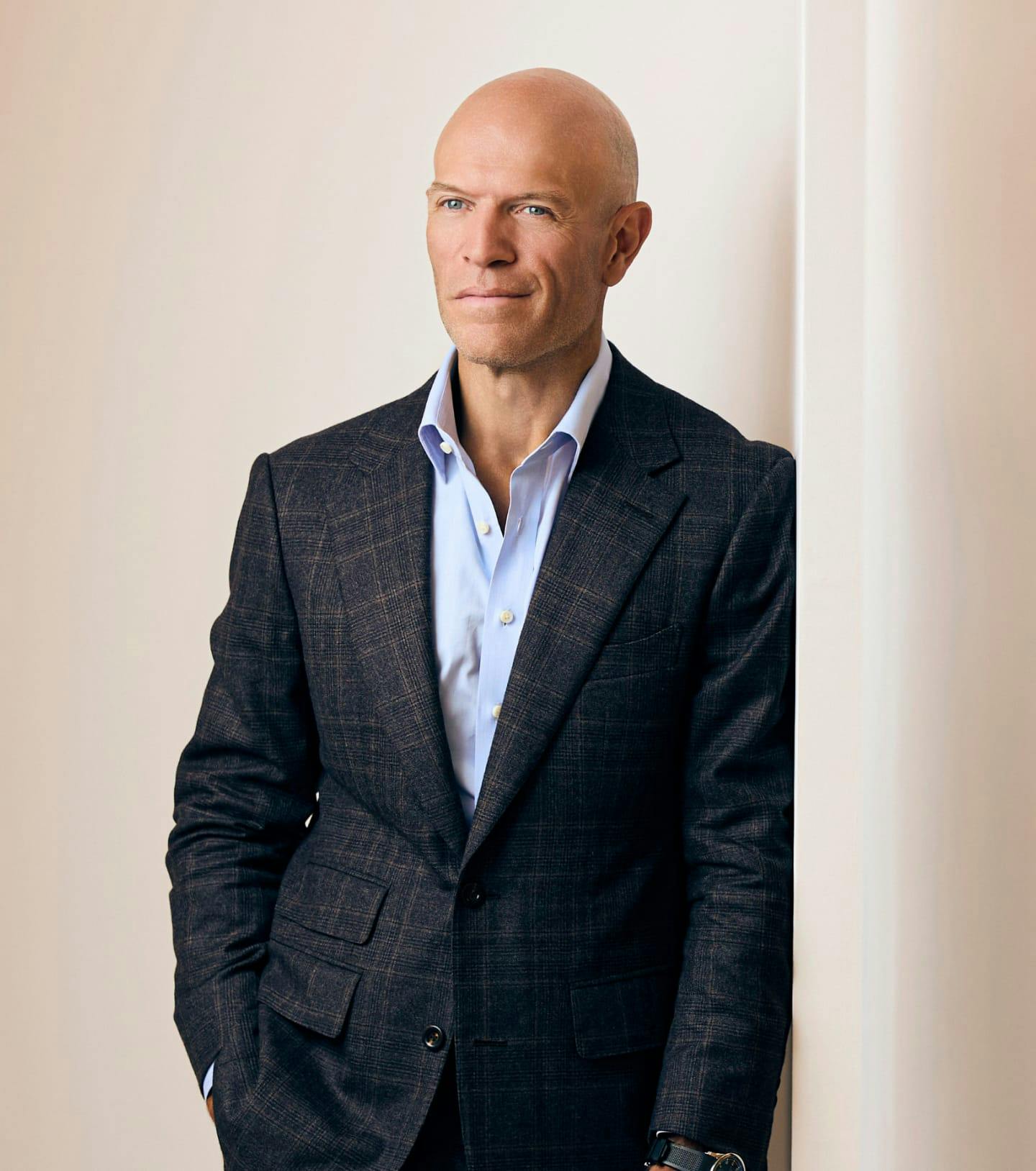
For nearly 20 years, Dr. Tommaso Addona has built his surgical career on a deep understanding of facial anatomy, including some of the most intricate nerve and tissue work performed in reconstructive surgery. That same anatomical precision carries directly into his approach to facelift surgery, where the goal is never simply to pull skin tighter, but to restore the underlying structure that gives a face its natural shape and youthful movement. Speak with Dr. Addona about how a structurally focused facelift can restore your natural contours, not just tighten your skin.

What Is a Facelift?

A facelift, or rhytidectomy, is a surgical procedure designed to address sagging skin, deep nasolabial folds, and loss of definition along the jawline and neck. As the deeper facial ligaments and muscles loosen over time, skin alone cannot be repositioned without addressing what lies beneath it. Dr. Addona's approach focuses on the underlying facial structure first, repositioning deeper tissue layers to restore support before redraping the skin.

This layered technique is what allows a facelift to look refreshed rather than simply tight, since the face is lifted along its natural planes rather than pulled in a single direction.

Incisions are placed along the hairline and around the ear, designed to remain well concealed even as hair is worn back or pulled up.

Banner media
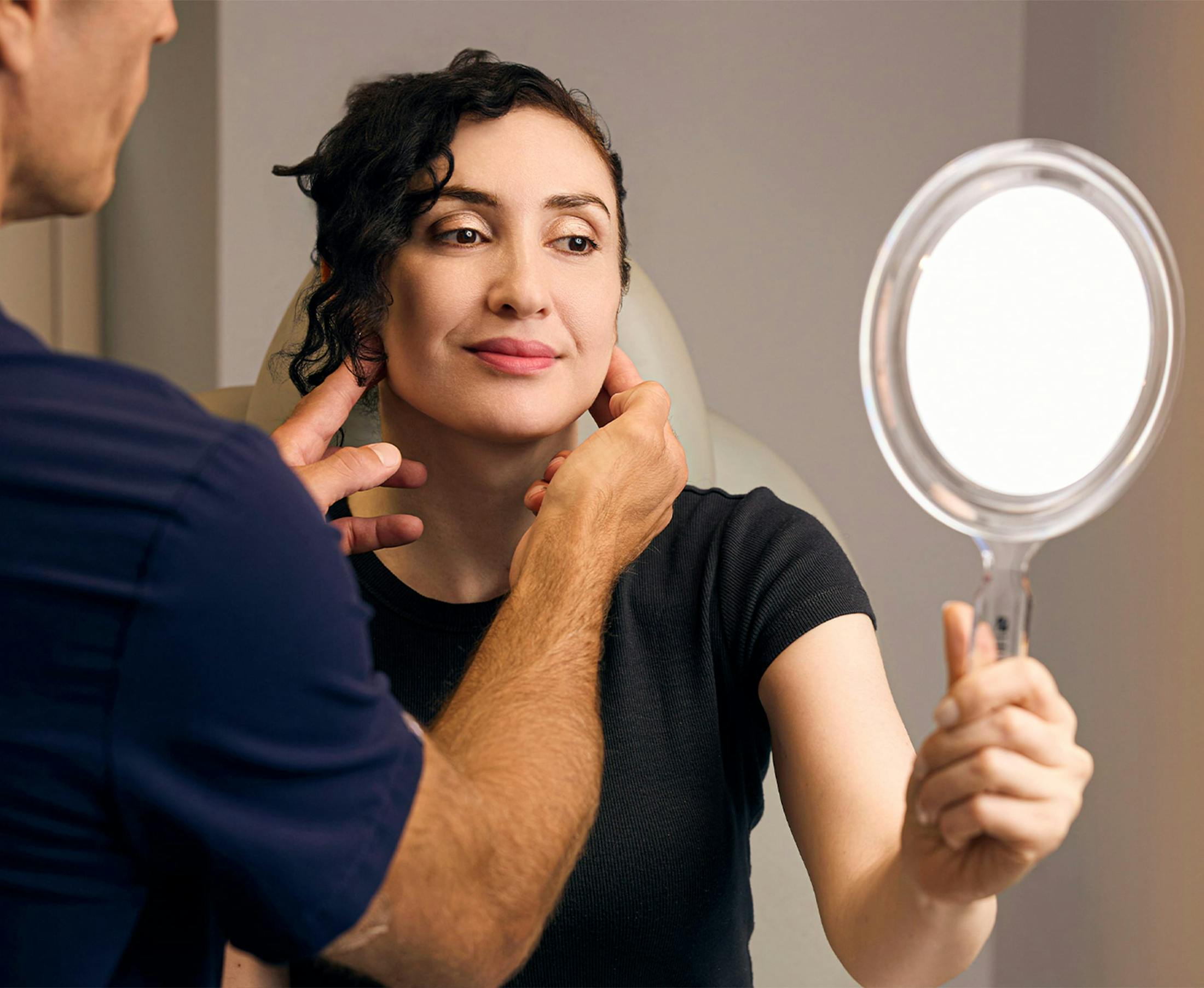
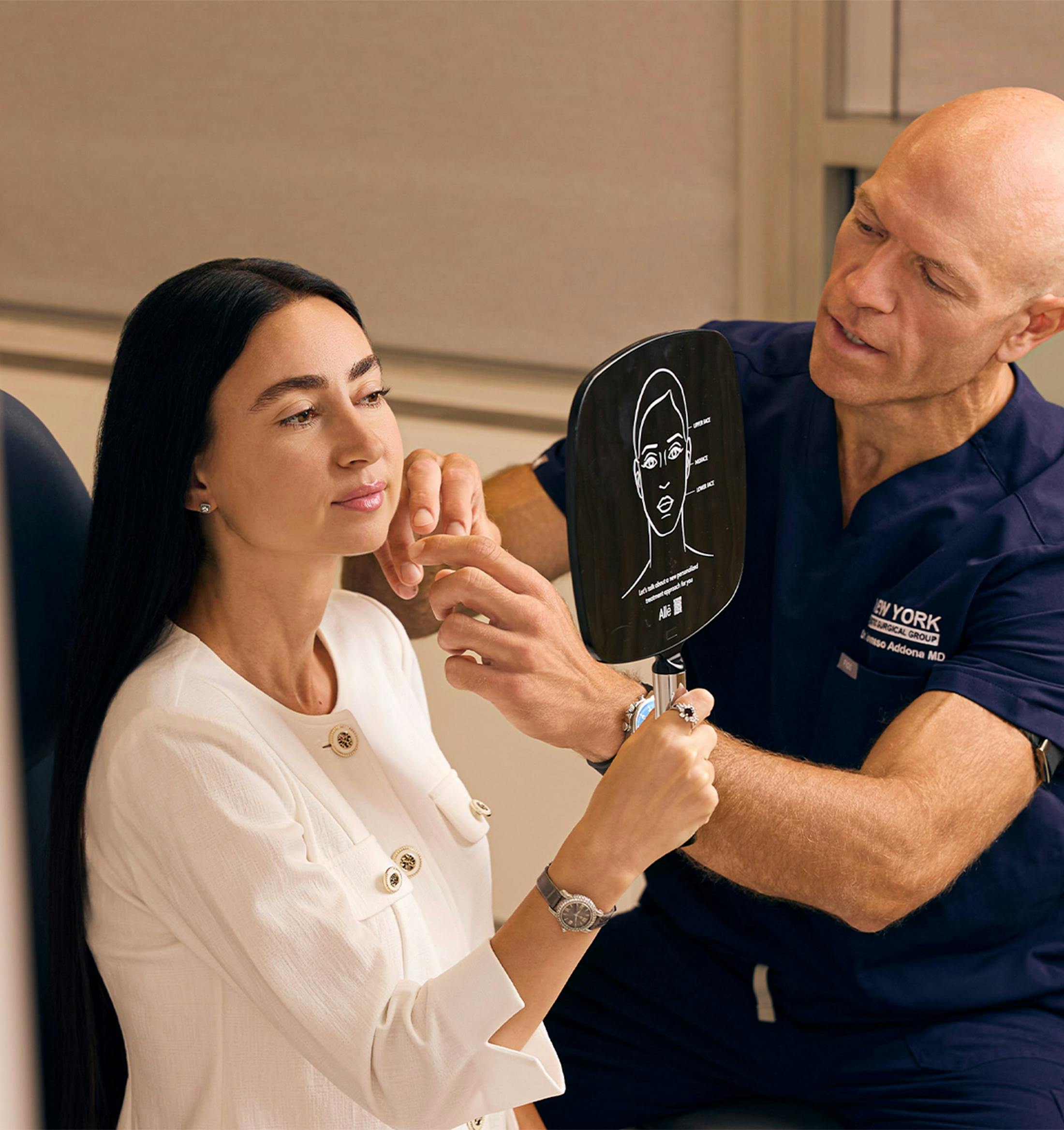
A doctor helping a patient

Benefits of a Facelift

A facelift can address multiple visible signs of aging in a single, cohesive procedure, offering benefits such as:

  • Improved definition along the jawline and neck
  • Reduction of deep folds and sagging in the mid and lower face
  • Long-lasting results that continue to age naturally
  • A more rested, refreshed appearance without a pulled or artificial look
  • Incisions that are well hidden within the hairline and ear
  • The ability to be combined with other facial procedures for comprehensive rejuvenation

Are You a Candidate for a Facelift?

Ideal candidates are healthy adults experiencing sagging skin, deep folds, or loss of definition in the mid to lower face that is no longer responsive to nonsurgical treatments. This is often first noticed along the jawline, jowls, or neck. Facelift surgery can be tailored to a wide range of ages and degrees of aging, since the underlying technique is adjusted to match each patient's specific anatomy.

During your consultation, Dr. Addona will assess your skin quality, facial structure, and goals to determine whether a facelift alone will meet your needs, or whether it should be paired with a complementary procedure such as a neck lift or eyelid surgery.

Schedule A Consultation

Contact us media

What to Expect During Your Facelift Procedure

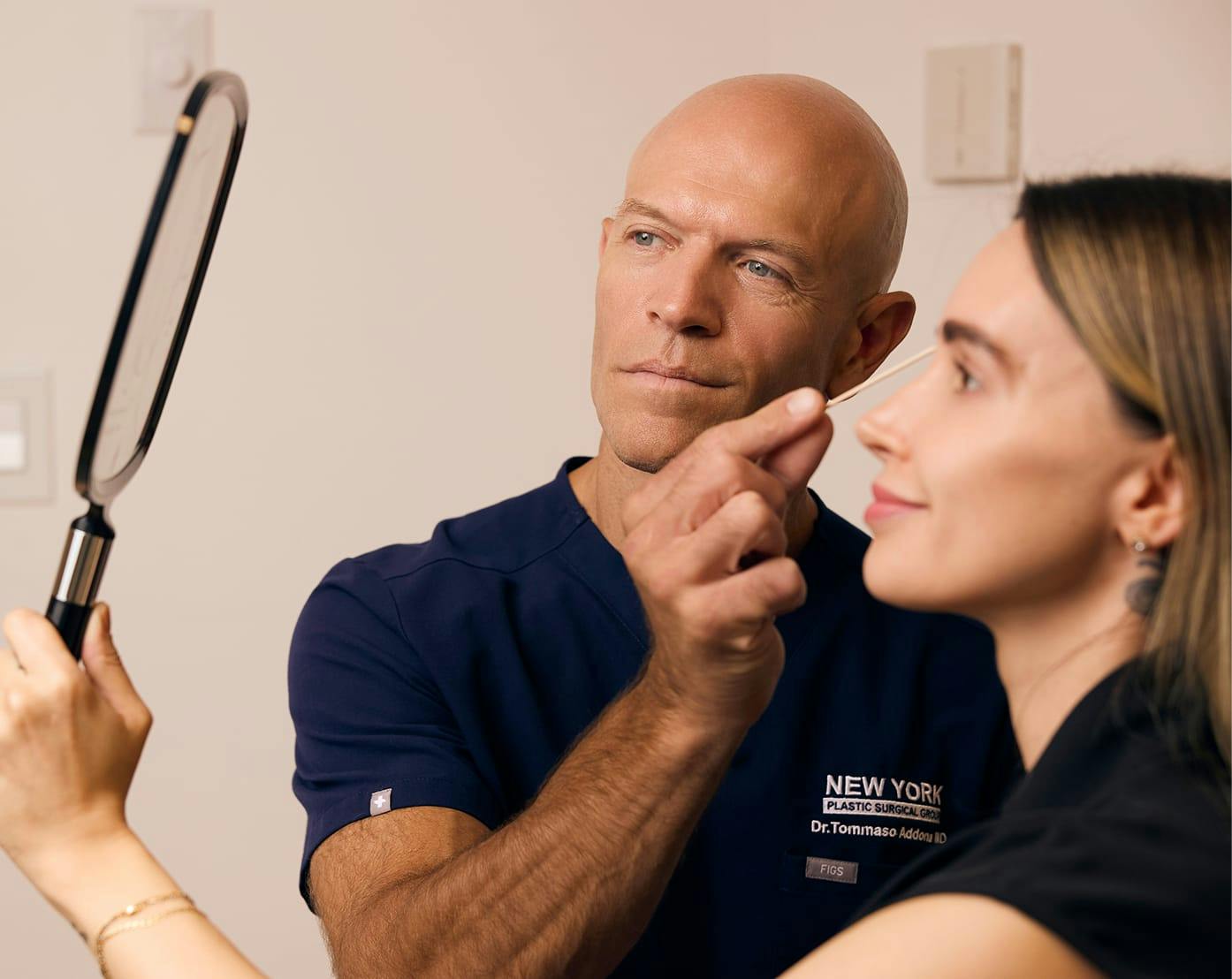
Every facelift begins with a detailed consultation, during which Dr. Addona personally evaluates your facial anatomy and discusses your goals in depth. He believes strongly in guiding patients through every stage of this process himself, rather than delegating that responsibility to other members of the team.

The Procedure

Facelift surgery is typically performed under general anesthesia or deep sedation and can take several hours, depending on the extent of correction needed and whether additional procedures are performed at the same time.

Dr. Addona repositions the deeper facial tissues to restore lift and support, then redrapes the skin along its natural contours before closing the incisions along the hairline and ear. The same meticulous, patient technique he applies to complex reconstructive procedures informs every step of this process.

After Surgery

Most patients stay overnight or return home the same day, depending on the extent of the procedure. Dr. Addona remains personally involved throughout recovery, communicating directly with patients rather than routing concerns through a larger care team.

I’m always seen immediately and courteously. Very competent staff, and Dr. Addona is wonderfully knowledgeable, competent, and warm. He’ll always take the time to discuss any of my concerns. I highly recommend this practice!

Joyce Connolly

Doctor Patient media

Recovery & Results After Your Facelift

Facelift recovery unfolds gradually, and most patients move through a fairly predictable timeline.

The First Two Weeks

Swelling and bruising are most noticeable during this period, though they begin to improve steadily. Most sutures are removed within the first one to two weeks, and light activity can typically resume shortly after.

The Following Weeks

Residual swelling continues to fade over the next several weeks, gradually revealing a more natural, settled appearance. Many patients feel comfortable in social settings well before this point.

Long-Term Results

Final results become fully apparent as subtle swelling resolves, typically within a few months. Because the underlying structure has been restored rather than simply pulled tight, results tend to age gracefully over time.

Doctor media
Dr. Tommaso Addona signature

Why Choose Dr. Addona?

Facial nerve and tissue work sit at the core of Dr. Addona's reconstructive training, giving him a level of anatomical familiarity with the face that few purely cosmetic surgeons develop. He applies that same discipline to facelift surgery, prioritizing structural support over surface tightening. Patients work with him directly at every stage, a hands-on standard he considers essential to achieving results that look genuinely like a refreshed version of themselves.

texture background

Facelift Frequently Asked Questions

Will a facelift make me look like a different person?

No. A well-performed facelift restores lost structure and definition while preserving your natural features and expressions, so the result still looks like you, only rested.

How long do facelift results typically last?

Results generally last well over a decade, since the underlying tissue support is restored rather than temporarily disguised. Natural aging continues, but the process effectively resets years of change.

Is a facelift painful?

Most patients describe pressure and tightness rather than significant pain, both of which are well managed with the recovery guidance Dr. Addona provides.

Will I have visible scarring after a facelift?

Incisions are placed carefully along the hairline and around the ear, allowing them to remain well concealed even when hair is worn up or pulled back.

Can a facelift be combined with other procedures?

Yes. It is frequently performed alongside a neck lift, eyelid surgery, or facial fat grafting, depending on your specific goals and the recommendations made during your consultation.

How much time off work should I plan for after a facelift?

Most patients take about two weeks off to allow initial swelling and bruising to subside before returning to work and normal social activities.

Contact us media
Contact us media
Accessibility: If you are vision-impaired or have some other impairment covered by the Americans with Disabilities Act or a similar law, and you wish to discuss potential accommodations related to using this website, please contact our Accessibility Manager at (516) 497-9194.
Contact Us