Online Bill Pay Search Book Now

A Surgeon Trained for This Exact Work

Dr. Tommaso Addona trained in microvascular and high-level breast and body reconstruction during a fellowship at Memorial Sloan Kettering Cancer Center, a foundation that has carried through nearly two decades of surgical practice. He is board certified by the American Board of Plastic Surgery and a Fellow of the American College of Surgeons. Dr. Addona manages every patient's care personally, from the first conversation through the final follow-up, a standard of accountability he treats as non-negotiable. Schedule a consultation with Dr. Addona to discuss your path forward.

What Is Breast Reconstruction?

Breast reconstruction is surgery that rebuilds the shape and volume of the breast after a mastectomy or, in some cases, a lumpectomy. It can be performed immediately during cancer surgery or delayed until a later date, depending on the treatment plan and personal preference.

Reconstruction may involve breast implants, a patient's own tissue, or a combination of both, sometimes paired with fat grafting to refine contour and symmetry. Because every diagnosis and anatomy is different, the right approach is determined individually during consultation, often alongside the oncology team managing broader care.


Banner media
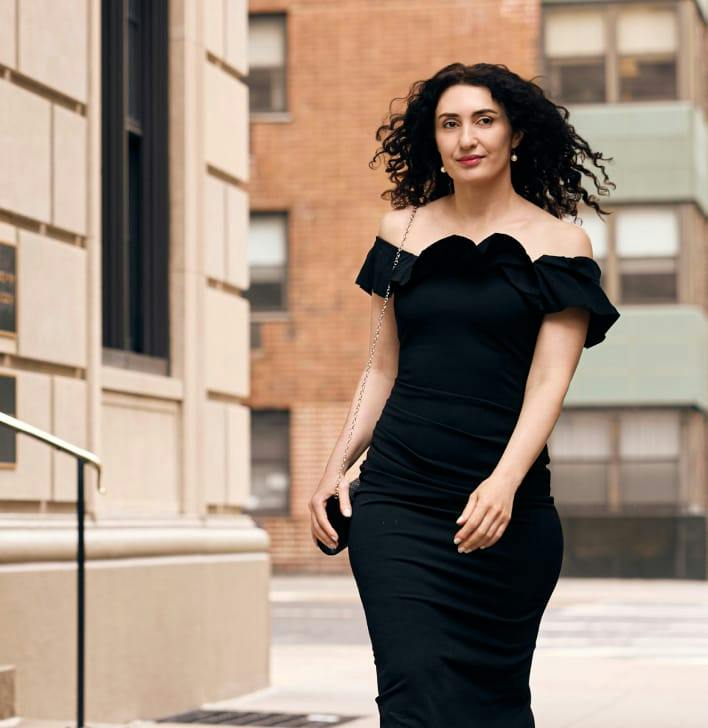
woman with her hand on her hips

Benefits of Breast Reconstruction

Breast reconstruction may offer benefits that go beyond appearance, including:

  • Restored breast shape, volume, and symmetry
  • A renewed sense of wholeness after cancer treatment
  • One combined recovery when paired with mastectomy
  • Results designed to look and feel natural over time
  • A technique matched to individual anatomy and health history
  • Improved comfort in clothing and swimwear

Am I a Good Candidate for Breast Reconstruction?

You may be a good candidate for breast reconstruction if you have undergone or are scheduled for a mastectomy or lumpectomy due to breast cancer or a heightened genetic risk.

Good health, realistic expectations, and clearance from your oncology team all factor into timing and the type of reconstruction that fits you. 

Because chemotherapy, radiation, and other cancer treatments can affect surgical planning, candidacy is best determined through a detailed consultation that considers your full course of care.

Schedule A Consultation

Contact us media
Doctor media
Dr. Tommaso Addona signature

Why Choose Dr. Addona for Breast Reconstruction?

Dr. Addona's reconstructive training is grounded in a fellowship in microvascular and high-level breast reconstruction at Memorial Sloan Kettering Cancer Center, paired with published research on oncoplastic breast surgery and immediate reconstruction techniques. Patients are never routed through a rotating team. Dr. Addona manages each case personally, from the first consultation through recovery, a continuity of care that matters most during a season already filled with uncertainty.

texture background

Your Consultation

Your consultation for breast reconstruction is a personal, in-depth conversation about your diagnosis, treatment timeline, and goals. Dr. Addona reviews your medical history, discusses reconstruction options suited to your anatomy, and coordinates with your oncology team when needed. You will leave with a clear understanding of what to expect at every stage, from surgery through recovery.

How Much Does It Cost?

Breast reconstruction following mastectomy or partial mastectomy is covered by insurance for most patients. Federal law and New York State law require health plans that cover mastectomy to also cover all stages of breast reconstruction, including procedures on the opposite breast to achieve symmetry.

What to Expect During Breast Reconstruction Treatment

Consultation and Surgical Planning

Before surgery, Dr. Addona finalizes the reconstruction plan based on anatomy, skin quality, and any additional cancer treatments already scheduled. Any necessary medical clearance or pre-operative testing is completed in the weeks leading up to the procedure.

Reconstruction Technique

Reconstruction surgery is performed under general anesthesia in an accredited surgical facility. Depending on the technique chosen during consultation, the procedure may take several hours, with additional stages sometimes planned for later dates to complete the process.

Immediate vs. Delayed Reconstruction

Timing generally falls into two categories: immediate reconstruction, performed at the same time as mastectomy, and delayed reconstruction, performed after cancer treatment is further along. Immediate reconstruction can reduce the number of separate surgeries, while delayed reconstruction allows more time for healing and decision-making. The right timeline depends on the overall treatment plan.

Background media

Breast Reconstruction Recovery

Recovery timelines vary depending on the type of reconstruction performed and whether it was combined with mastectomy. Most patients need several weeks of restricted activity, with swelling, tightness, and fatigue common during the early weeks of healing.

Dr. Addona remains personally involved throughout recovery, monitoring healing at each follow-up visit and adjusting guidance as needed. Patients are never left to navigate questions or concerns without direct access to their surgeon.

Breast Reconstruction Results

Results continue to refine over several months as swelling resolves and tissue settles into its final position. Every outcome reflects the patient's anatomy and treatment history, with the aim of a natural, balanced breast contour.

Complementary Procedures

  • Breast Augmentation: Adds volume with implants, often used to achieve symmetry between reconstructed and natural breasts.
  • Breast Lift: Repositions breast tissue to address sagging, often paired with reconstruction for a balanced result.
  • Breast Reduction: Reduces size and weight on the non-reconstructed breast to restore proportion.
  • Fat Transfer Breast Augmentation: Uses a patient's own fat to refine contour and smooth irregularities after reconstruction.
  • Breast Implant Revision: Addresses complications or changes needed with existing breast implants over time.
Banner media

Breast Reconstruction Frequently Asked Questions

Will nipple reconstruction be part of my treatment plan?

Nipple reconstruction is often addressed as a separate, later stage of the overall process, once the reconstructed breast has settled into its final shape. Whether it applies to your specific case is discussed during consultation.

Does breast reconstruction affect the ability to detect a future cancer recurrence?

Reconstruction can change how future breast monitoring is done, since imaging on a reconstructed breast may look different than imaging on natural tissue. Your surgical and oncology teams will coordinate on the appropriate follow-up imaging for your specific case.

What are the risks associated with breast reconstruction?

As with any surgery, breast reconstruction carries risks that may include infection, bleeding, changes in sensation, and complications related to implants or tissue healing. These risks are reviewed in detail during consultation, alongside steps taken to help minimize them.

Will there be visible scarring after reconstruction?

Some scarring is a normal part of any reconstructive surgery. Incision placement and technique are planned carefully to minimize visibility, and scars typically soften and fade over time.

Does breast reconstruction affect sensation in the breast?

Sensation can change after reconstruction, and the extent varies by technique and individual healing. This is an important topic to discuss during consultation so expectations are clear from the start.

What happens if I need radiation after reconstruction?

Radiation treatment can affect reconstructed tissue and may influence the timing or type of reconstruction recommended. This is carefully considered in coordination with the oncology team before finalizing a surgical plan.

Is breast reconstruction painful?

Some discomfort is expected after any surgery, and pain is generally managed with prescribed medication in the days following the procedure. Most patients find that discomfort eases significantly within the first couple of weeks.

Take the Next Step

Breast reconstruction is one of the most personal parts of recovery after cancer. Dr. Addona brings both surgical precision and genuine attentiveness to every step. Schedule a consultation to discuss reconstruction options suited to your diagnosis, anatomy, and goals.

This information is provided for educational purposes only and does not replace a consultation with a board-certified plastic surgeon. Outcomes, risks, and suitability vary from patient to patient.

Contact us media
Contact us media
Accessibility: If you are vision-impaired or have some other impairment covered by the Americans with Disabilities Act or a similar law, and you wish to discuss potential accommodations related to using this website, please contact our Accessibility Manager at (516) 497-9194.
Contact Us