Online Bill Pay Search Book Now

A Small Repair, Done With Care

Earlobe concerns are often dismissed as minor, yet they can be genuinely frustrating for patients who love earrings but no longer feel confident wearing them. Dr. Tommaso Addona treats earlobe repair with the same careful, precise technique he applies to far more complex procedures, understanding that even a small correction deserves meticulous attention to detail and a natural final result. Reach out to discuss how a simple, in-office repair can restore your earlobes and your favorite earrings.

What Is Earlobe Repair?

Earlobe repair is a surgical procedure that corrects torn, stretched, or split earlobes, whether caused by heavy earrings, an accidental tug, prolonged gauge wear, or simple thinning of the earlobe tissue over time. It can also address earlobes that have become elongated or misshapen.

Dr. Addona removes the damaged tissue along the torn or stretched area, then carefully closes the earlobe using fine sutures designed to recreate a natural, rounded contour. For patients who wish to continue wearing earrings, a new piercing can typically be placed after the earlobe has fully healed.

Because the earlobe is a small, delicate structure, precise technique matters just as much here as it does in far larger procedures, ensuring the repaired lobe looks symmetrical and entirely natural.


Banner media
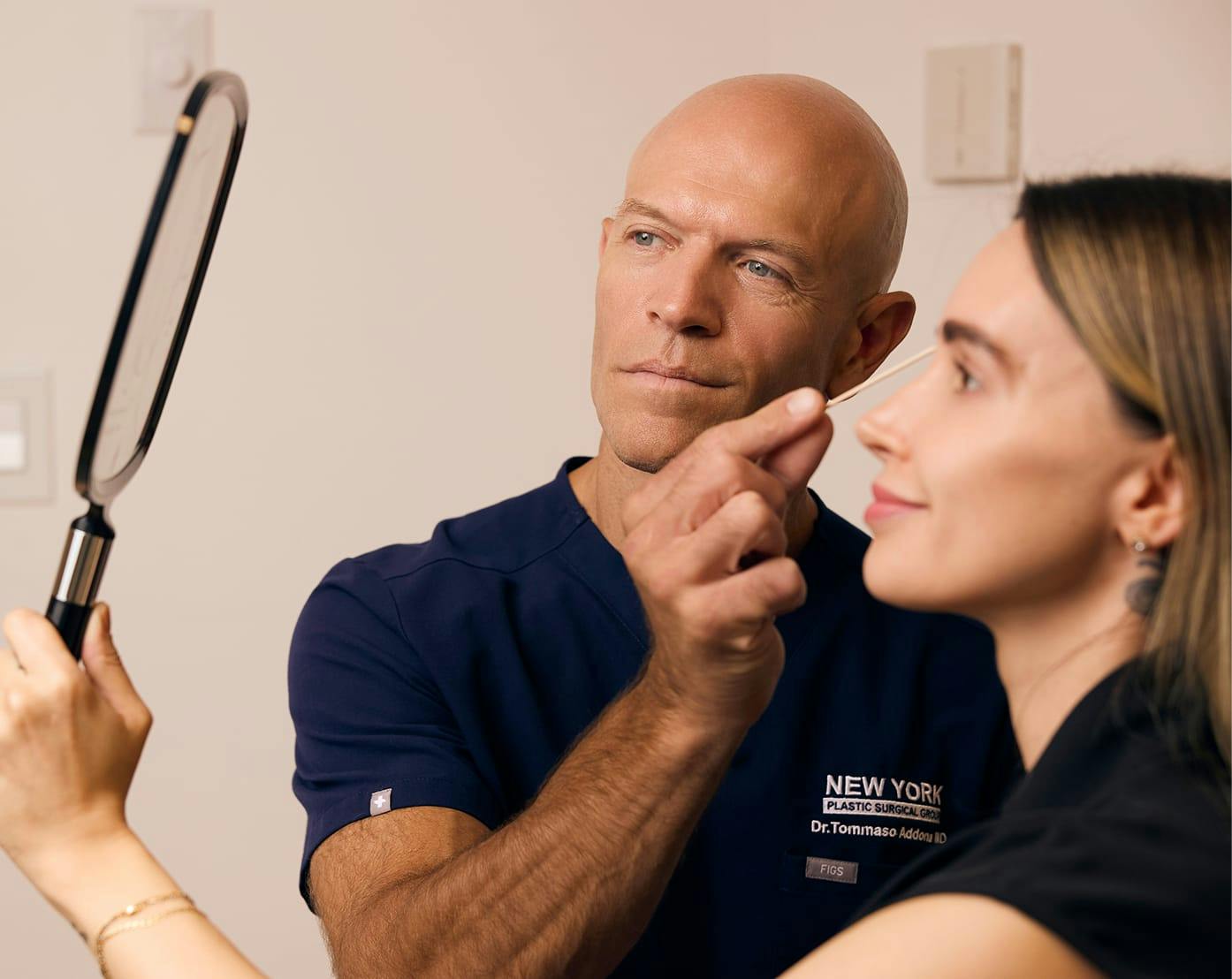
Woman touching her cheek

Benefits of Earlobe Repair

Earlobe repair is a quick, low-downtime procedure with benefits that include:

  • Correction of torn, split, or stretched earlobes
  • Restored ability to comfortably wear earrings again
  • A natural, symmetrical earlobe shape
  • A quick, in-office procedure performed under local anesthesia
  • Minimal downtime and a short recovery period
  • The option to be re-pierced once healing is complete

Are You a Candidate for Earlobe Repair?

Ideal candidates are healthy adults with a torn, stretched, or split earlobe, whether from a single traumatic event, gradual stretching from heavy earrings, or gauge removal. Earlobe repair is appropriate for patients of nearly any age.

Some patients seek repair to correct a single acute tear, while others are addressing lobes that have gradually stretched or thinned over years of daily earring wear. During your consultation, Dr. Addona will evaluate the extent of the damage and the surrounding tissue quality to determine the most appropriate repair technique for your specific concern.

Schedule A Consultation

Contact us media

What to Expect During Your Earlobe Repair Procedure

A consultation prior to treatment allows Dr. Addona to assess the earlobe tissue and discuss whether one or both ears require correction, along with your plans for future piercing.

The Procedure

Earlobe repair is typically performed in the office under local anesthesia and usually takes less than an hour, even when both ears are treated in the same visit. Dr. Addona removes the damaged edges of tissue and closes the lobe with fine sutures placed to recreate a natural curve.

Because the procedure is brief and well tolerated, most patients are comfortable throughout and able to leave shortly after it is complete.

After Surgery

Patients return home the same day with simple aftercare instructions. Dr. Addona remains personally accessible for any questions that arise during the short healing period that follows.

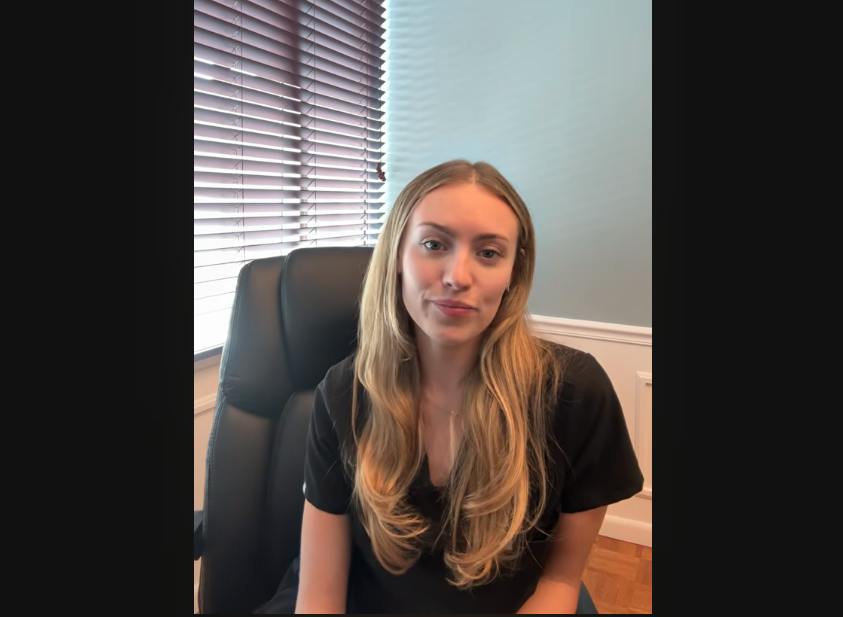
I had the privilege of working with Dr. Addona and the incredible team of PAs for my breast reconstruction surgery, and I couldn't be more pleased with the care and results.

Felicia Seenauth

Doctor Patient media

Recovery & Results After Earlobe Repair

Recovery from earlobe repair is brief, and most patients return to normal routines almost immediately.

The First Week

Mild swelling or tenderness at the repair site is common initially. Sutures are typically removed within about one week, at which point the incision is generally well healed on the surface.

The Following Weeks

The repaired earlobe continues to soften and settle into its final shape over the following few weeks. Patients who wish to be re-pierced are usually able to do so once the area has fully healed, often several weeks to a few months later.

Long-Term Results

Once healed, the earlobe typically maintains a natural, rounded shape with a scar that is difficult to detect, even up close.

Torn or Stretched Earlobe Repair In-Office Procedure & Recovery Timeline

Torn or Stretched Earlobe Repair youtube screenshot
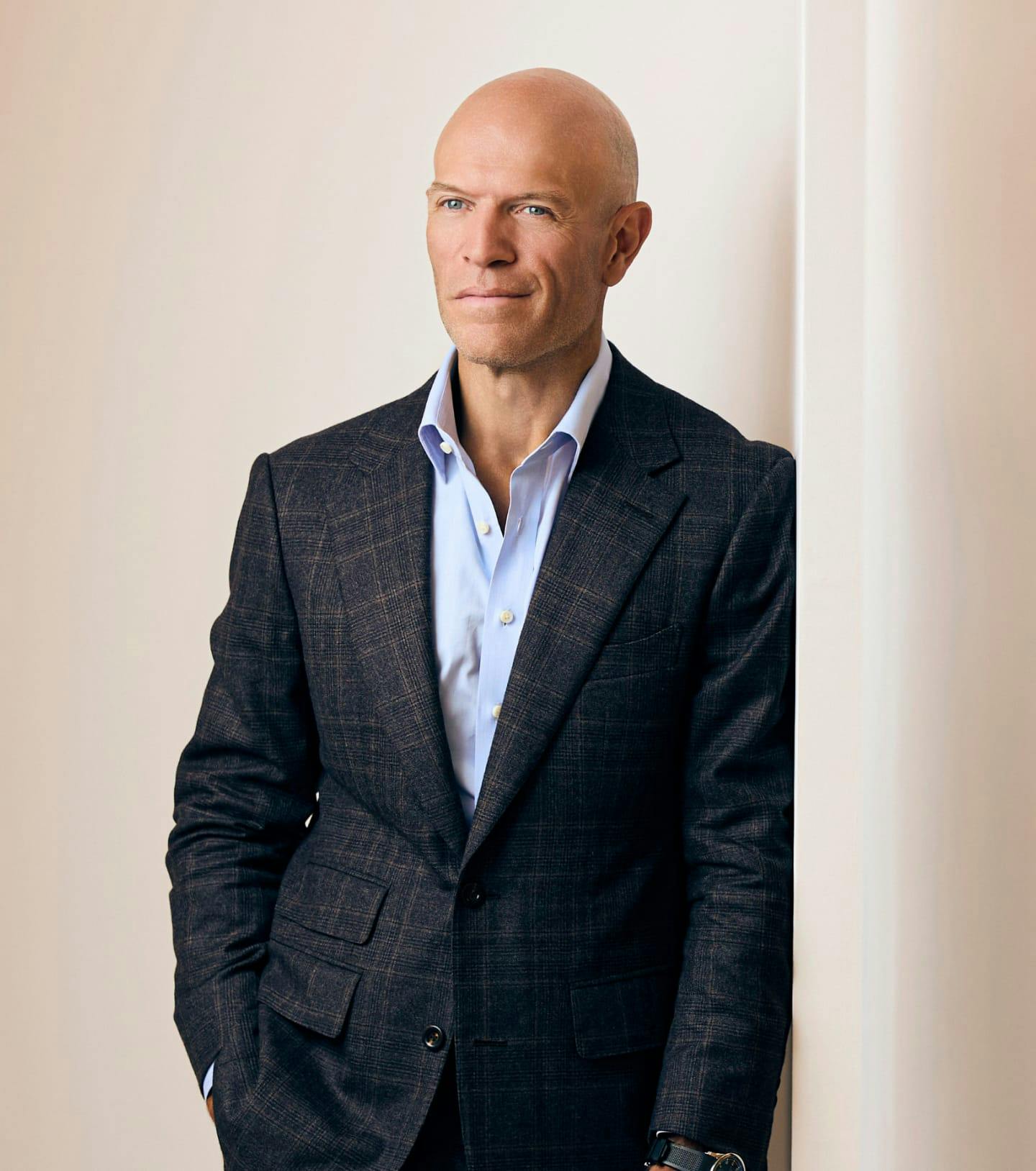
Doctor media
Dr. Tommaso Addona signature

Why Choose Dr. Addona?

Precision at a small scale is a skill Dr. Addona has developed extensively through his microvascular reconstructive training, where sutures placed under magnification connect vessels less than a millimeter wide. He brings that same exacting attention to detail to earlobe repair, treating even the smallest procedures with the same care and precision as his most complex surgical work.

texture background

Earlobe Repair Frequently Asked Questions

Can both earlobes be repaired during the same visit?

Yes. Most patients have both earlobes treated in a single, brief appointment, minimizing the need for additional visits or recovery time.

How soon can I get my ears re-pierced after repair?

Most patients can be re-pierced once the earlobe has fully healed, typically several weeks to a few months after the initial repair, depending on individual healing.

Is earlobe repair painful?

The procedure is performed under local anesthesia and is generally well tolerated, with most patients reporting only mild tenderness afterward.

Will there be a visible scar after earlobe repair?

Sutures are placed carefully to recreate the earlobe's natural curve, and the resulting scar is typically minimal and difficult to notice once fully healed.

What causes earlobes to tear or stretch in the first place?

Common causes include heavy earrings worn over time, an accidental pull or snag, or stretching from gauges or plugs that have since been removed.

Do I need to stop wearing earrings before earlobe repair?

Your provider may recommend a brief period without earrings before the procedure to allow any current irritation to settle, which will be discussed during your consultation.

Contact us media
Contact us media
Accessibility: If you are vision-impaired or have some other impairment covered by the Americans with Disabilities Act or a similar law, and you wish to discuss potential accommodations related to using this website, please contact our Accessibility Manager at (516) 497-9194.
Contact Us